EXPERT BENCH01
iOS developers, vetted for depth.
SwiftUI and UIKit, MVVM, provisioning profiles and signing, and debugging real performance problems with Instruments. We check for Apple platform experience, not just whether someone can write Swift.

HIRE DEVELOPERS / IOS APP DEVELOPERS
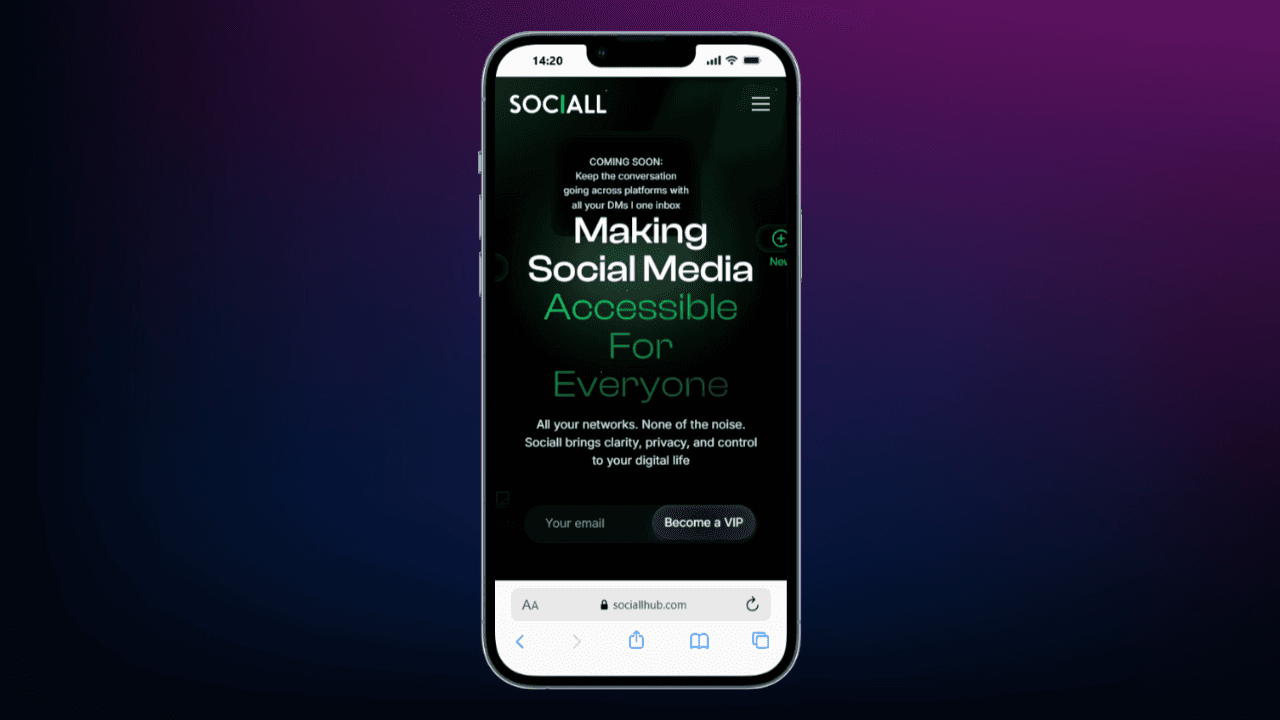
Senior iOS engineers who join your team, write Swift and SwiftUI in your Xcode project and your CI, sit in your standups, and already know what gets a build rejected before Apple tells you. Sociall, the iOS app on our portfolio, went through real App Store review. That's the bar we hire to.
Swift and SwiftUI for new work, UIKit for complex interfaces and older codebases. Then everything beyond the language: Apple's Human Interface Guidelines, App Store review requirements, and the platform APIs an iOS engineer has to already know, like Core Data, Core Location, HealthKit, ARKit, APNs, and StoreKit.
SwiftUI and UIKit, MVVM, provisioning profiles and signing, and debugging real performance problems with Instruments. We check for Apple platform experience, not just whether someone can write Swift.
Plenty of people write Swift. Far fewer have handled an App Store rejection, a privacy manifest requirement, or a StoreKit integration properly. Those are the people we keep on the bench, and we can match one to your project within days.
A full-time iOS developer for a product that's the business. A part-time one for OS updates and crash triage. A few hours for an App Store rejection or an architecture review. You tell us which, and we size it that way.
UPDATED Q3 2026 - VERIFIABLE ON UPWORK - CLUTCH
600+
Combined projects shipped
PRODUCTION BUILDS
32
Startups built ground-up
$40M+ ARR COLLECTIVELY
100%
Senior engineers
NO JUNIOR HAND-OFFS
14d
Median time to first PR
AFTER KICKOFF CALL
11
Years compounding
7 COUNTRIES SERVED
Billed per engineer, per month, or in a 40-hour block, with the rate quoted on the first call. App Store rejections, memory pressure on older iPhones, bugs that only show up on one iOS version, Apple's shifting APIs. iOS is a closed system with strict rules, and experience with those rules is what we screen for.
One iOS developer working full-time inside your team, owning the architecture and the Swift code through TestFlight and App Store submission. The right fit when an iPhone or iPad app is a core product.
Contact us for pricingTwenty hours a week. Enough for the yearly iOS update, Crashlytics reports, features between big releases, and keeping the App Store Connect listing current.
Contact us for pricingFor a defined piece of work. An App Store rejection, a performance profile in Instruments, a review of how push notifications are wired, a StoreKit integration, or a plan to move Objective-C code to Swift.
Contact us for pricingPick the one that matches how your team already builds iOS apps, or describe your setup and we'll suggest one.
We run the whole thing: architecture, Swift development, testing on real devices, TestFlight distribution, and App Store submission. You review a build every week and steer the product.
Your product lead sets the direction. Our iOS developer joins your Slack, your Jira, and your standups, writes the Swift, and handles submissions. You direct.
Your team keeps the backend and the product direction. We take the SwiftUI interfaces, native integrations, device testing, and App Store compliance.
Apple's ecosystem, end to end. This is what an iOS engineer here works in every day.
Safe concurrency, Macros, and the latest language affordances on current SDKs.

Declarative interfaces and state-driven screens for new apps and flows.

Mature layouts, coordinators, and AppKit bridging where SwiftUI stops.

Still a real, current skill for maintaining and extending inherited enterprise codebases, not just legacy interop.
Reactive pipelines for networking, timers, and cross-layer state propagation.
async/await structured tasks and actors for safe async UI-bound work.
One iOS engagement, described the way a hiring manager would ask about it, then the rest of the bench's recent work.
All case studiesVerified feedback from Upwork, Clutch, and reference calls we're happy to set up before you sign anything.

Project Manager, Sociall
Entalogics built our iOS Chromium-based mobile app with a smooth native feel, stable media rendering, and reliable sync. We shipped faster and improved engagement after launch.

CEO, Modestly
Entalogics has successfully delivered extension prototypes on time, and we are impressed with their project management and the finished product. The client communicates with Entalogics via virtual meetings, email, and messaging apps.

Founder, Flourish Schools
Collaborating with Entalogics was a great experience. Communication was clear, we aligned quickly, and their team delivered high-quality code on time with thoughtful technical decisions.
If you'd rather have the app built as a fixed-scope project than add an engineer, start with the first link. The rest are where iOS hiring managers usually go next.
What iOS hiring managers ask us first. If yours isn't here, ask it on the call.
Send us the role and where the app stands with Apple today, whether that's in review, in TestFlight, or not started. You'll get back a shortlist, a start date, and a monthly figure.