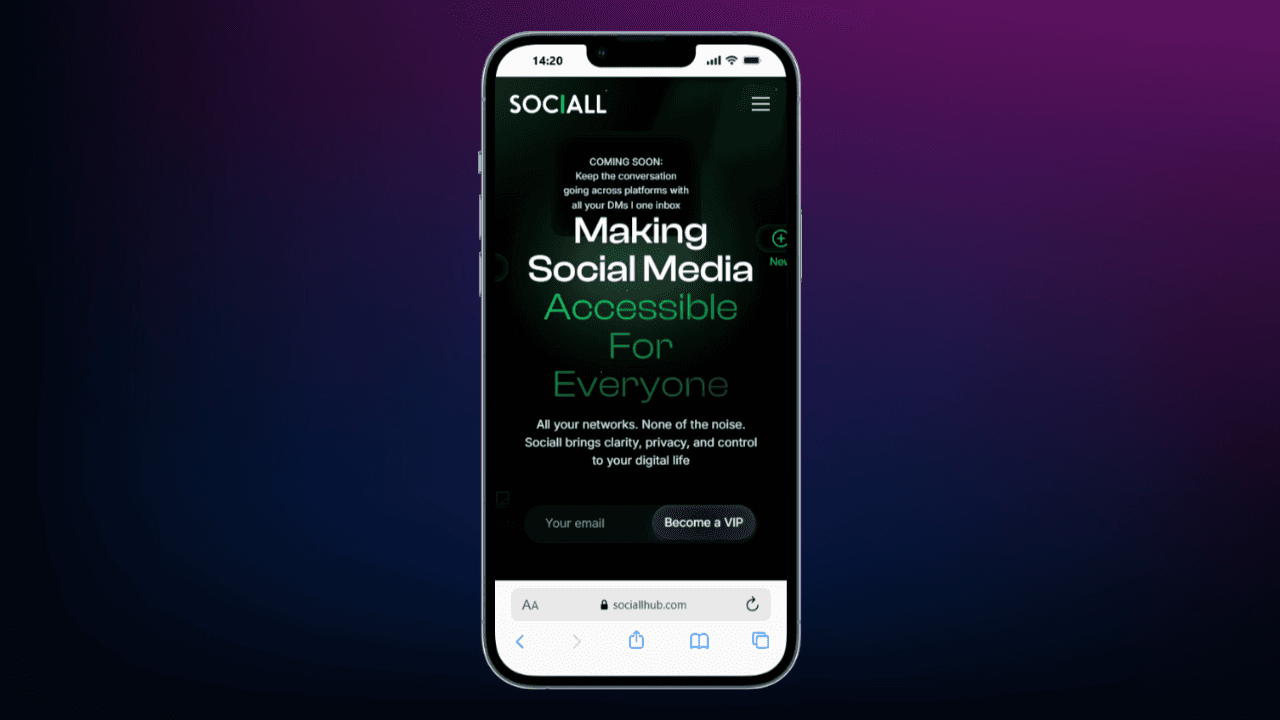

Dani Keo
Project Manager, Sociall
Entalogics built our iOS Chromium-based mobile app with a smooth native feel, stable media rendering, and reliable sync. We shipped faster and improved engagement after launch.
We build mobile apps for iOS and Android — consumer apps, B2B tools, marketplaces, and AI-powered features — engineered to clear App Store and Play Store review, not just run on your test device.
Based on 100+ Reviews
100+ Reviews
Why Entalogics for mobile
App Store rejections, dead push notifications, and an app that stops working the moment wifi drops — we've inherited enough half-built mobile apps to know these four gaps show up almost every time. Here's how we close them before a single screen gets built.
Apple and Google reject apps for the same handful of avoidable reasons: missing privacy details, unclear metadata, a permission nobody explained. We build to their current guidelines from the start, so review isn't where your launch date slips.
One Flutter or React Native codebase for both iOS and Android, built so it still feels like a native app. Proper navigation, gestures, and scrolling, rather than a website inside a frame.
People lose signal. Your app keeps working, syncs when the connection comes back, and doesn't lose anyone's data because a train went into a tunnel.
No third-party notification vendor sitting between you and your users. We wire it up on your own infrastructure.
Verified feedback from Upwork, Clutch, and reference calls we're happy to set up before you sign anything.
Project Manager, Sociall
Entalogics built our iOS Chromium-based mobile app with a smooth native feel, stable media rendering, and reliable sync. We shipped faster and improved engagement after launch.

Project Manager, Digital Office: Aura
Entalogics built Digital Office: Aura as a custom Chromium-based authentication platform. Their team modified Chromium internals and integrated our manual custom authentication flow with reliable implementation, fast delivery, and consistent communication.
Project Manager, Omni Browser
Entalogics built our Omni Browser on top of Chromium with deep product-level execution. They implemented an integrated VPN and Omni Crypto Wallet directly in the browser, made strong architectural decisions, and delivered quality code on schedule with clear communication.

CTO, SentryBay
Their Chromium expertise helped us ship a hardened browser with live threat controls and enterprise rollout support. Security operations became significantly faster.
Mobile work first, then other products we've shipped. What got built, and what it did for the people using it.
All case studiesHard-won lessons
Bad code is rarely the reason a mobile app project fails. These six are.
Every one of these gets caught in discovery, before a build starts — not after your app collects its first rejection email from Apple.
Know what you're building
They can look identical on screen. The engineering, distribution, and maintenance underneath are nothing alike.
Need offline access, camera, GPS, or push notifications? That's a job for native or cross-platform mobile app development, not a responsive website with an app icon glued on.
What we build
Here's the mobile app development work we get asked for most, from consumer apps to enterprise mobile builds.
Store submission
A rejection at review can cost you two more weeks you didn't budget for. We build toward submission the whole way through, not the week before launch.
iOS
App Store
Android
Play Store
ASO
ASO decisions get harder to fix the later you make them. We make them early.
Infrastructure
The backend pieces a mobile app depends on, set up before the first screen ships.
Firebase Cloud Messaging or Apple's APNs, running on your own infrastructure rather than through a vendor you're locked into.
Universal Links and App Links, so a marketing link opens the exact screen someone expects instead of dropping them on the home screen.
Local storage with background sync. The app keeps working on a plane and catches up as soon as it's back online.
Face ID and fingerprint login built with the platform APIs, rather than routed through a slower third-party wrapper.
Apple and Google purchase APIs, subscriptions, and receipt validation, set up properly the first time.
Event tracking and funnels live from launch, so you aren't guessing at retention three months in.
Engagement shape
ASO and store submission get built alongside the app, not crammed in during the final week.
Stack
Picked by platform and product need, not a default we reach for every time.
Engagement
Three lanes, depending on where you're starting from.
For teams shipping their first mobile app
A submitted, live app on both stores. Scoped once, quoted once, and built by the people you talk to on the call.
For teams with a live app that has to stay current
Ongoing releases and OS-update maintenance on a retainer. We handle store listings, OS compatibility, crash triage, and staged rollouts, so the app keeps working every time Apple and Google ship an update.
For regulated industries: healthcare, finance, enterprise
For HIPAA-compliant healthcare apps, financial apps, and enterprise rollouts, where the architecture has to be right the first time and procurement has questions before anyone signs.
Want the engineers on your own team instead of a delivered project? Hire cross-platform app developers
Related work
A deeper look at the native-vs-cross-platform decision, plus real shipped work.
Senior engineers
A free 30-minute call with a senior mobile app developer gets you a platform recommendation, a submission plan, and a timeline you can plan around.