Hire cross-platformapp developers —one codebase,no compromises.
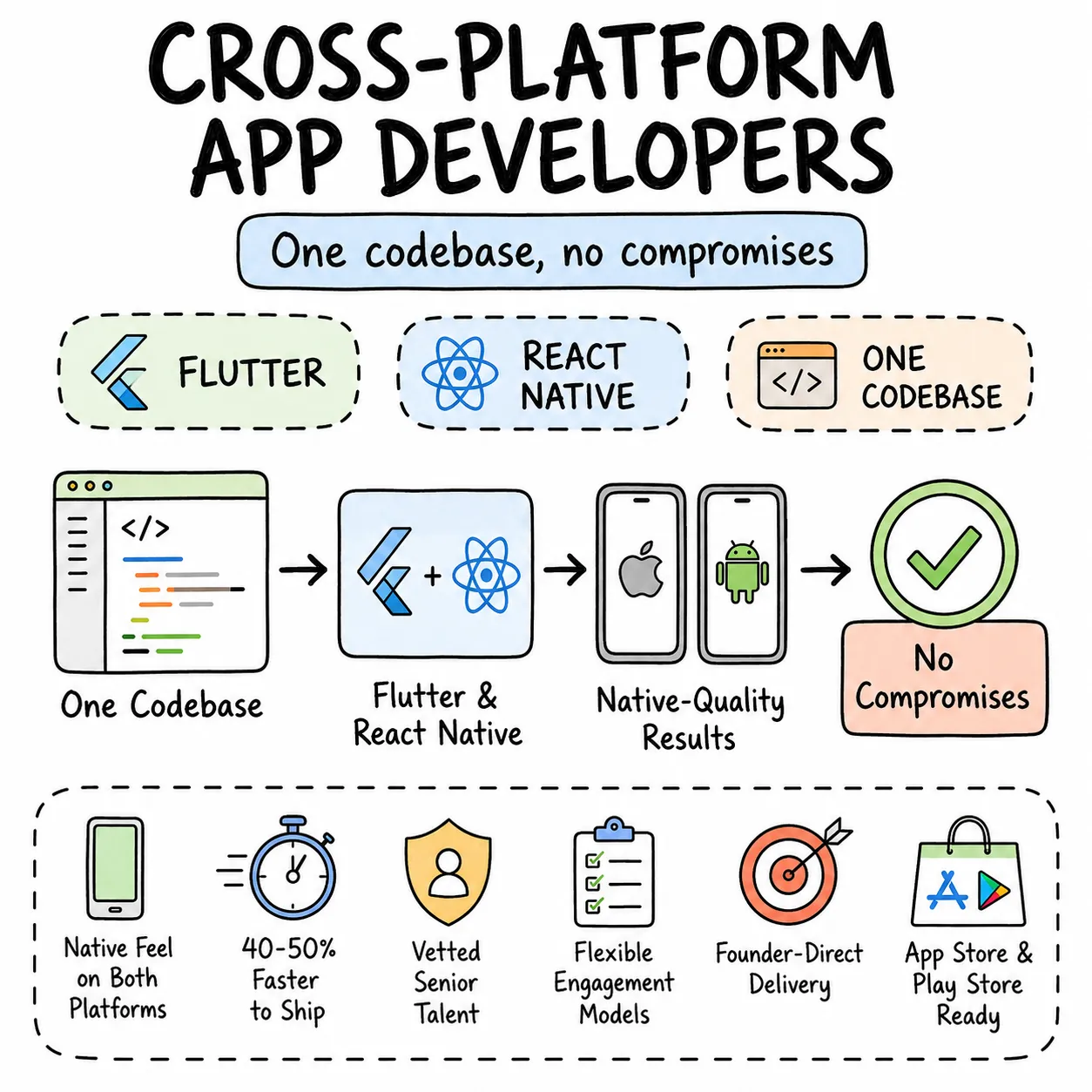
Senior Flutter and React Native engineers who join your team, work in your repo and your standups, and ship both platforms from the codebase you already own. You direct the product. We supply people who have taken cross-platform apps through App Store and Play Store review before.
Why teams hire cross-platform app developers from us.
Flutter and React Native are the two cross-platform frameworks that hold up on a large app. The engineers you'd be adding know where each one runs out: when a platform channel is worth writing, how iOS and Android conventions differ, and how to keep an app from feeling slow on a mid-range Android phone.
EXPERT BENCH01
Cross-platform developers, and only that.
We check for platform channels and native module work, state management on a large codebase (Zustand or Redux for React Native, Riverpod or Bloc for Flutter), performance on mid-range phones, and whether they have been through App Store and Play Store review. A portfolio of demo apps doesn't get through.
RIGHT FRAMEWORK02
Matched to your team, not to a trend.
Flutter and React Native suit different teams and different products. We look at what your team already writes, what the app has to do, and where it has to run well, and pick the engineer from there.
FLEXIBLE ENGAGEMENT03
As much engineer as you need.
A full-time developer for a product that's the business. A part-time one to keep both platform builds healthy. A few hours to settle Flutter versus React Native or to plan a migration. You tell us which, and we size it that way.
Receipts, not adjectives.
UPDATED Q3 2026 - VERIFIABLE ON UPWORK - CLUTCH
600+
Combined projects shipped
PRODUCTION BUILDS
32
Startups built ground-up
$40M+ ARR COLLECTIVELY
100%
Senior engineers
NO JUNIOR HAND-OFFS
14d
Median time to first PR
AFTER KICKOFF CALL
11
Years compounding
7 COUNTRIES SERVED
Hiring model
Three ways to staff your cross-platform build.
Priced per engineer per month, or in 40-hour blocks, and quoted after one call. Cross-platform only saves you time and money when the developer also understands iOS and Android underneath the framework. Someone who knows React Native but not the platforms ships an app full of platform-specific bugs. We hire for all three layers.
M01160h / mo
Full-time hiring
One cross-platform developer working full-time inside your team, owning the architecture and shipping features to both stores. The right fit when iOS and Android ship from one codebase and the app is a core product.
Twenty hours a week. Enough to keep a published app healthy on both stores: OS version updates, platform-specific bugs, and features between the big releases.
For a defined piece of work. A Flutter-versus-React-Native evaluation, a plan to move a native app to cross-platform, a performance profile on mid-range Android devices, or a review of how your platform channels are built.
Pick the one that matches how your team already works, or describe your setup and we'll suggest one.
01
Entalogics managed team
We run the whole thing: architecture, Flutter or React Native development, testing on real iOS and Android devices, and submission to both stores. You review a build every week.
PM + senior cross-platform devs on staff
We own the dual-platform release pipeline
TestFlight + Play Console builds every Friday
02MOST COMMON
Client managed team
Your product lead sets the direction. Our developer joins your Slack, your Jira, and your standups, and writes the code for both platforms. You steer.
Embedded in your Slack & Linear
Reports into your engineering lead
Same hiring bar — you direct
03
Hybrid model
Your team keeps the backend and the product decisions. We take the shared codebase, the platform-specific adjustments, device testing, and both store submissions.
Specialists from us, generalists from you
Shared standups + design reviews
Clear DRI per platform layer
Stack & tooling
The stack our cross-platform app development team ships with.
Both frameworks, plus the native platform knowledge underneath them. This is the day-to-day toolset.
React Native
Native modules and JS-driven UI for teams with React and TypeScript depth, paired with Redux or Zustand for state management.
Flutter
Single Dart codebase with Skia/Impeller rendering, using Provider, Riverpod, or BLoC for state management.
Dart
Typed async language powering Flutter apps, plugins, and platform channels.
TypeScript
Strict typing for React Native apps sharing logic with web codebases.
Expo
Managed workflows, OTA updates, and EAS builds for React Native delivery.
RECENT ENGAGEMENTS
Real products, real ARR
Three engagements, described the way a hiring manager would ask about them: how long, how the engineers fit in, and what shipped.
Verified feedback from Upwork, Clutch, and reference calls we're happy to set up before you sign anything.
Evan Kanouse
CEO, Modestly
Entalogics has successfully delivered extension prototypes on time, and we are impressed with their project management and the finished product. The client communicates with Entalogics via virtual meetings, email, and messaging apps.
Adam Strock
Founder, Flourish Schools
Collaborating with Entalogics was a great experience. Communication was clear, we aligned quickly, and their team delivered high-quality code on time with thoughtful technical decisions.
George Irvin
Founder, G3 Ventures LLC
Entalogics delivered our custom Electron browser in six months with isolated profile workflows and stable policy sync. Agent onboarding improved by 55% after rollout.
Related work
You might also need.
If you'd rather have the app built and delivered as a fixed-scope project than add engineers, start with the first link. The rest are services we often deliver alongside cross-platform work.
The questions we get on most first calls about hiring cross-platform developers. If yours isn't here, ask it first.
Everyone does a coding test, a system-design interview, and walks us through something they've shipped. Then we go framework-specific: platform channels and native modules, state management on a big codebase (Riverpod or Bloc, Zustand or Redux), performance on mid-range Android hardware, and what happened the last time one of their apps went through store review.
Flutter if the interface is highly custom or animation-heavy, or your team doesn't already write JavaScript. React Native if your team knows React and TypeScript and you'd like to share logic with a web app. Both are solid choices in 2026. The right engineer depends on your team and your product far more than on the framework.
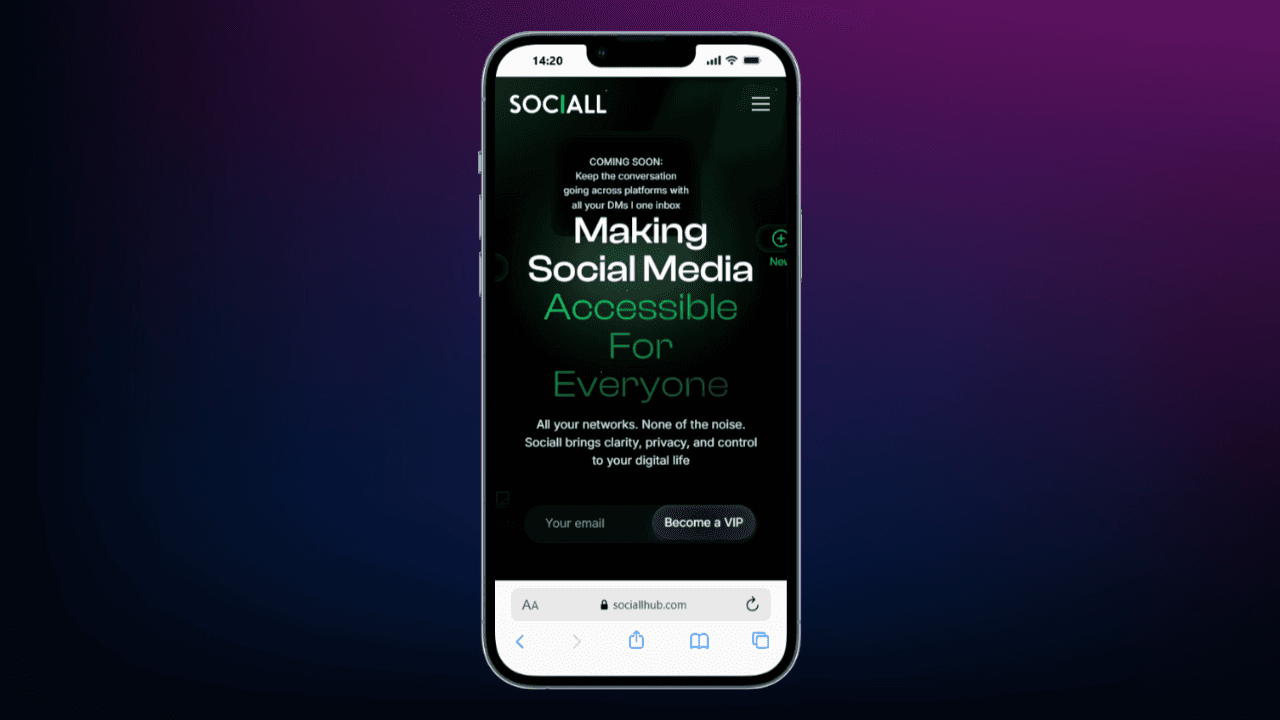
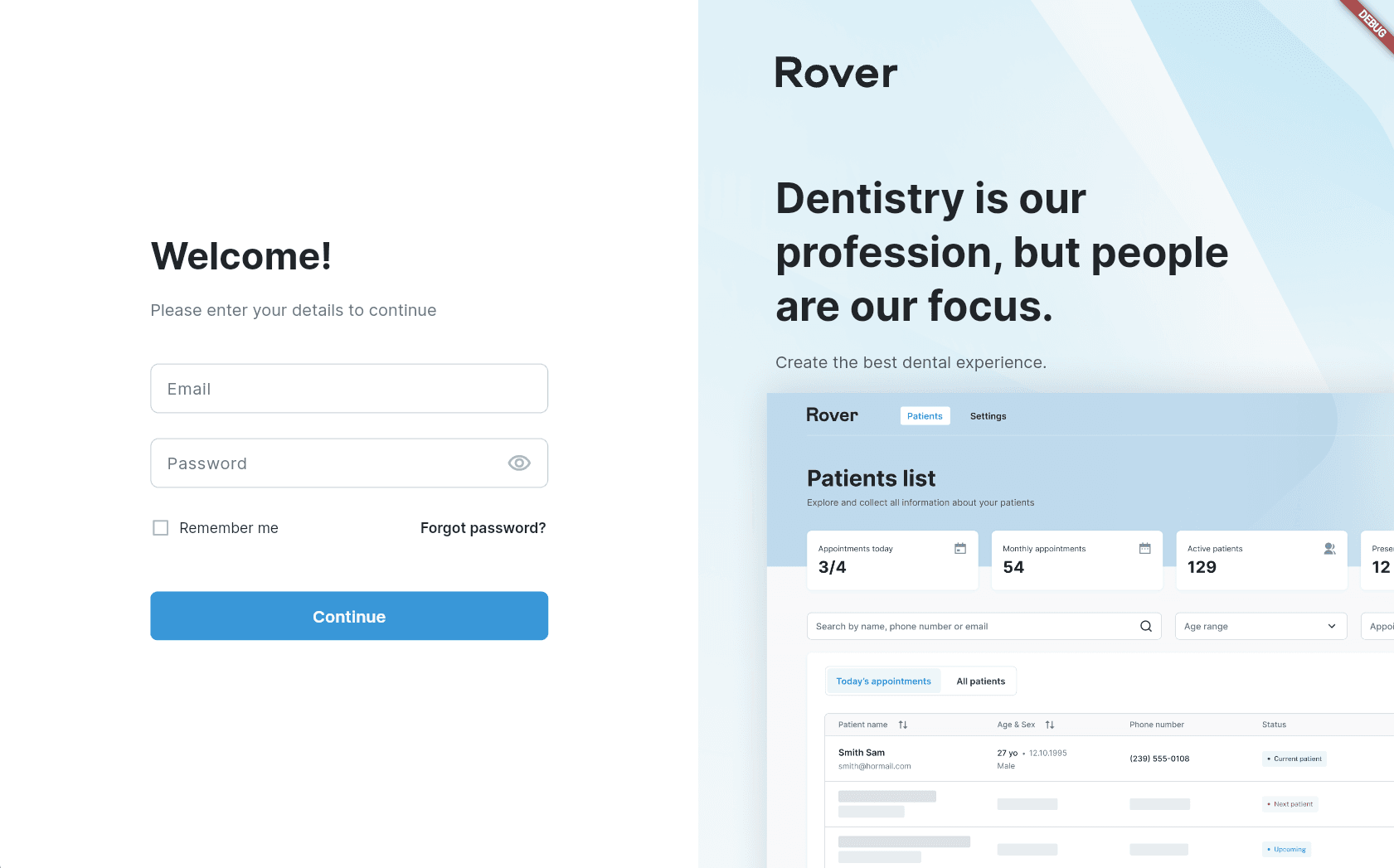
Yes. Sociall, an iOS app built on React Native with Chromium embedded, is live in the App Store and launched with a 4.6 rating. On the Flutter side, we shipped Rover Medical, one Flutter codebase serving web and desktop, and moved a dental practice-management app from Flutter desktop to the web for a US clinic group.
Usually within a week. Most engagements begin three to five business days after the discovery call and a signed contract. Across the engagements we've staffed, the first pull request typically lands about two weeks after kickoff.
Per engineer, per month. Full-time is 160 hours, part-time is 80. Hourly work is sold in 40-hour blocks. You'll leave the first call with a monthly figure.
Whichever you prefer. In the client-managed model the engineer joins your Slack, Jira, and standups and reports to your engineering lead. In the managed model, a project manager and senior developers on our side run the release pipeline and you review TestFlight and Play Console builds each week. In the hybrid model, your team keeps the backend and product decisions and we take the shared codebase, device testing, and store submissions.
You get two weeks to decide. If it isn't working in that window, we replace the engineer at no charge from the same bench. After that, it's 30 days' notice to swap or end. Full-time and part-time have a three-month minimum. Hourly work doesn't.
Yes, that's what the part-time seat is for. Twenty hours a week covers OS version updates, platform-specific bugs, both store listings, and the features between big releases. If the app is the product and there's a roadmap behind it, you'll want the full-time seat.
Senior engineers
Ready to add a cross-platform engineer?
Tell us the seat you need to fill, whether that's full-time, part-time, or a few hours of the right expertise, and where the app stands today. You'll get back a shortlist, a start date, and a monthly figure.