C++ desktop developers, vetted past the syntax.
Smart pointers, RAII, concurrency, template metaprogramming, and production desktop software that's actually shipped — that's what we vet for. Not a web developer who added a C++ line to their resume.
HIRE DEVELOPERS / C++ DESKTOP DEVELOPERS
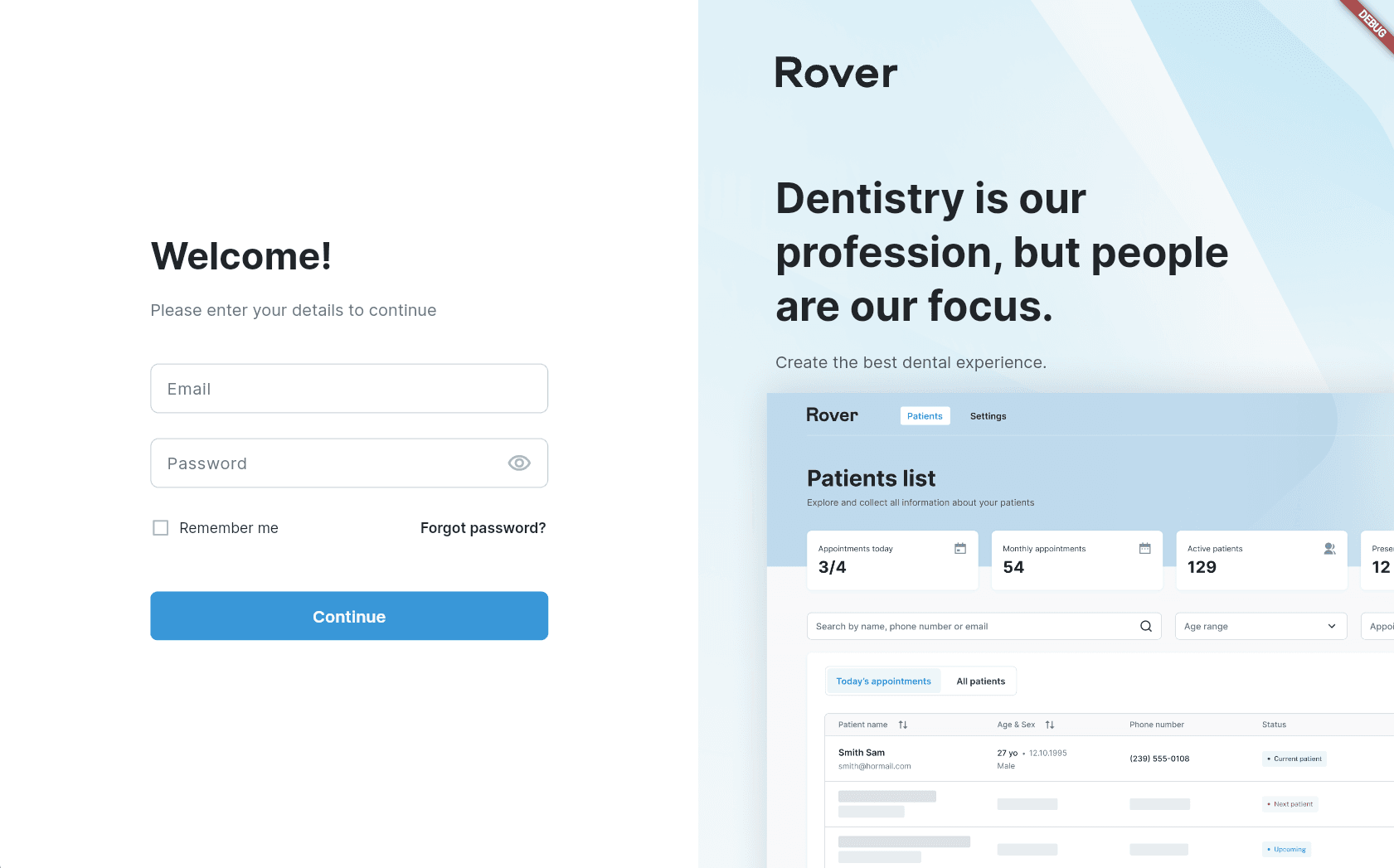
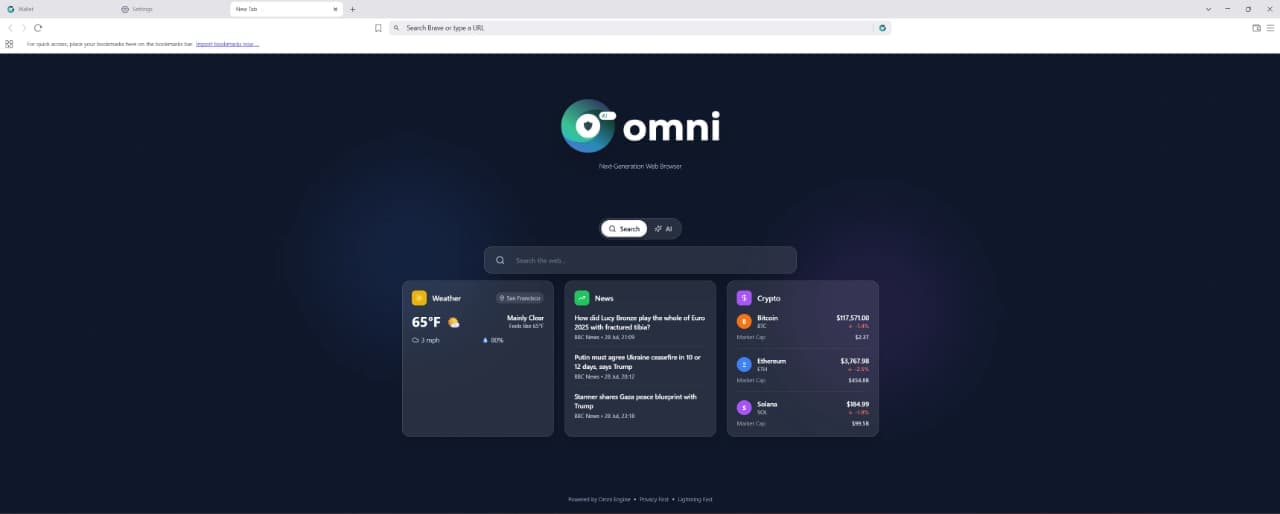
Web and mobile work don't prepare anyone for what C++ desktop development actually demands. Our C++ developers have shipped production desktop software — custom Chromium browsers, native Qt applications, system-level tools — in the kind of environment where a memory leak or a missed race condition becomes an outage, not a bug ticket.
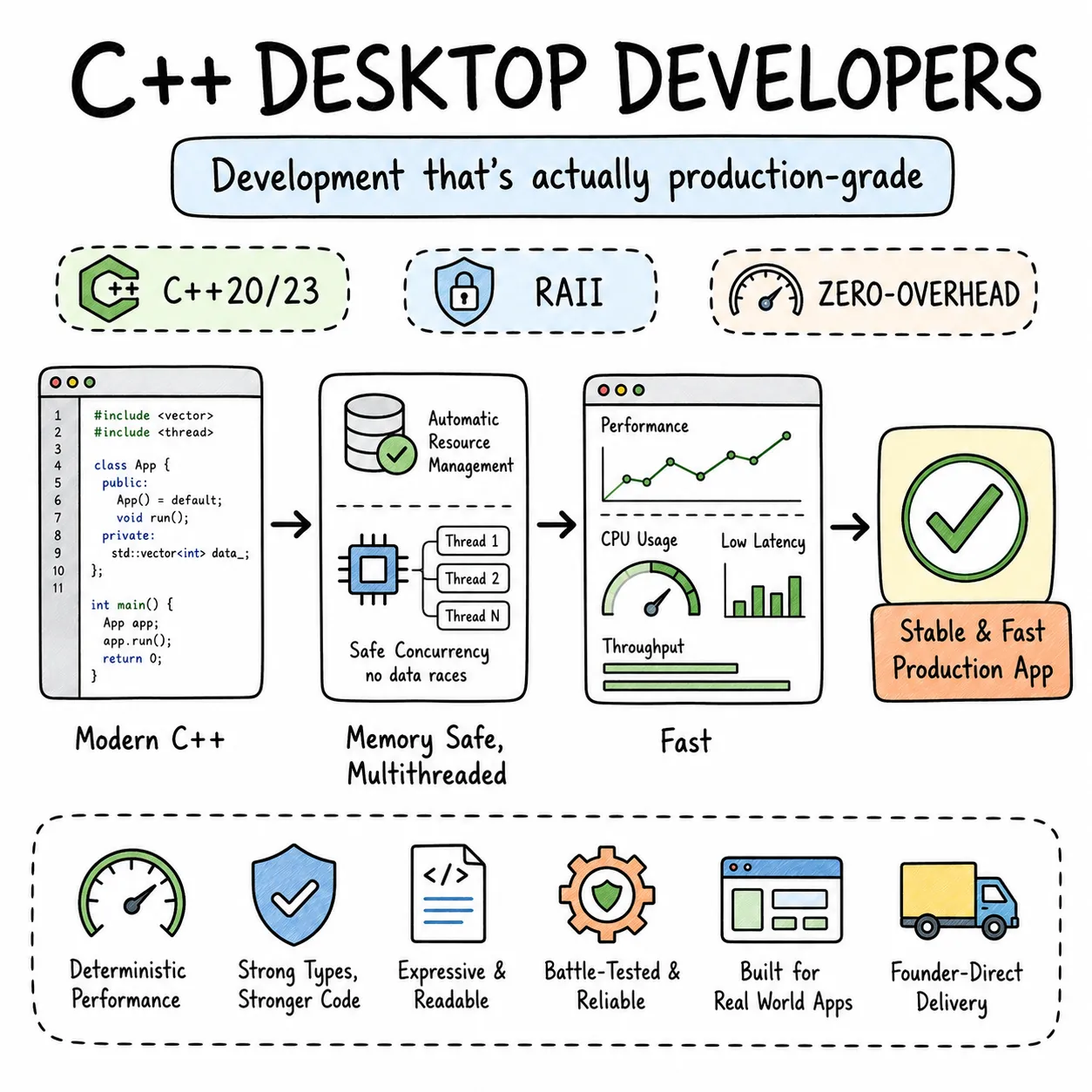
Systems engineers first, C++ developers second — not people who learned the syntax from a tutorial series. Modern C++17/20, memory management, multithreading, RAII, and performance profiling are the daily work, not the interview answer.
Smart pointers, RAII, concurrency, template metaprogramming, and production desktop software that's actually shipped — that's what we vet for. Not a web developer who added a C++ line to their resume.
The open market takes 3–6 months to fill a C++ role, because the talent pool has been shrinking since universities stopped emphasizing systems programming around 2015. We keep a bench of vetted engineers ready to embed within days instead.
A dedicated engineer for a multi-year build. A part-time specialist for a C++14-to-23 modernization. An hourly consultant for one performance audit. Whichever one it actually is, that's the model.
Memory leaks, race conditions, and undefined behavior don't surface in code review — they surface in production. Multi-threaded desktop applications, high-performance data pipelines, system-level integrations where a crash isn't an option: that's the bar our developers already write to.
One C++ desktop developer, embedded full-time, owning architecture and performance-critical code through to shipped platforms. Right for a desktop product, a game engine component, or a systems tool built across multiple quarters.
Twenty hours a week of focused C++ work — sized for modernizing a legacy codebase from C++14 to 20/23, extending a shipped product, or running a codebase health pass: sanitizers, static analysis, a CMake migration.
A memory leak investigation, GPU-accelerated performance profiling with Perf or VTune, an undefined-behavior cleanup, a CMake troubleshooting session, an architecture review before a new build starts — scoped, delivered, done.
Match this to how your team already runs C++ work, or describe your situation and we'll suggest one.
Architecture, memory-safe C++, build system, release management — all ours end to end, while you review weekly and steer the roadmap.
Your technical lead sets the priorities. Our C++ developer joins your repo, your CI, your standups, and writes production code under your direction.
Product logic and domain decisions stay with your team. Performance-critical paths — memory optimization, concurrency, native modules, build configuration — become ours.
Systems-level engineering across desktop frameworks and toolchains — what our C++ engineers actually reach for, daily.
Modern C++ with concepts, ranges, `std::expected`, and RAII-first design for desktop cores.
Cross-platform C++ GUI — Widgets and QML for native-feeling desktop applications.
Native Linux desktop UI toolkit, often paired with performance-sensitive C++ backends.
Native controls on each OS from one C++ codebase — ideal for long-lived desktop tools.
Adjacent services we often ship alongside C++ desktop work — same bench, same standard.
Six questions we get on every first call about hiring C++ desktop developers. If yours isn't here, we'll cover it first.
Tell us what your C++ desktop project actually needs, and we'll walk you through what shipping it — production-grade, at a fair price — takes.